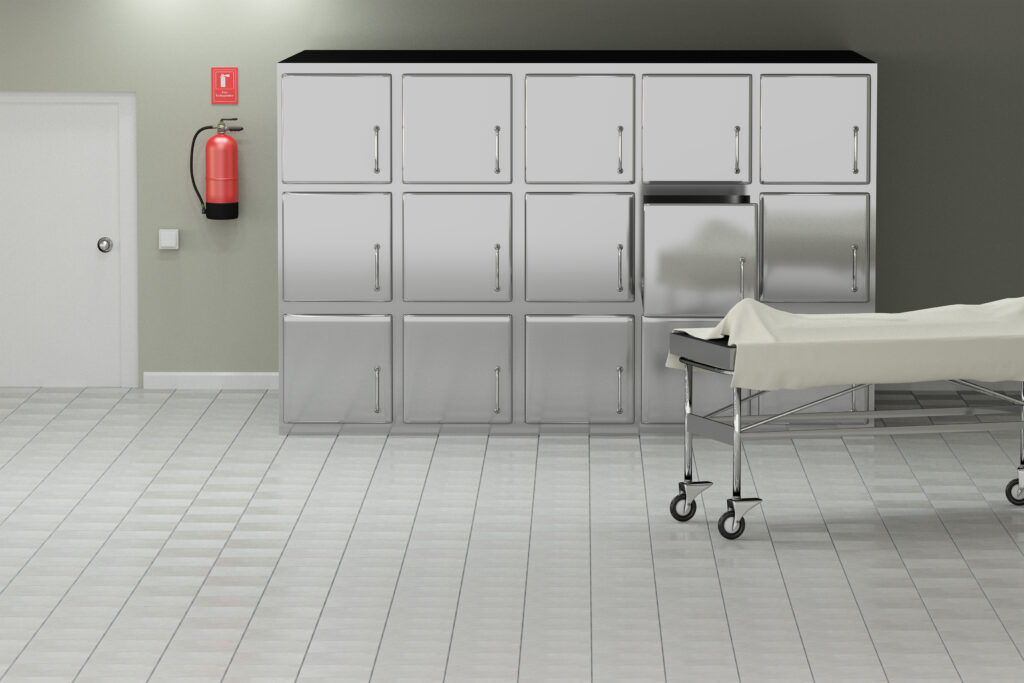
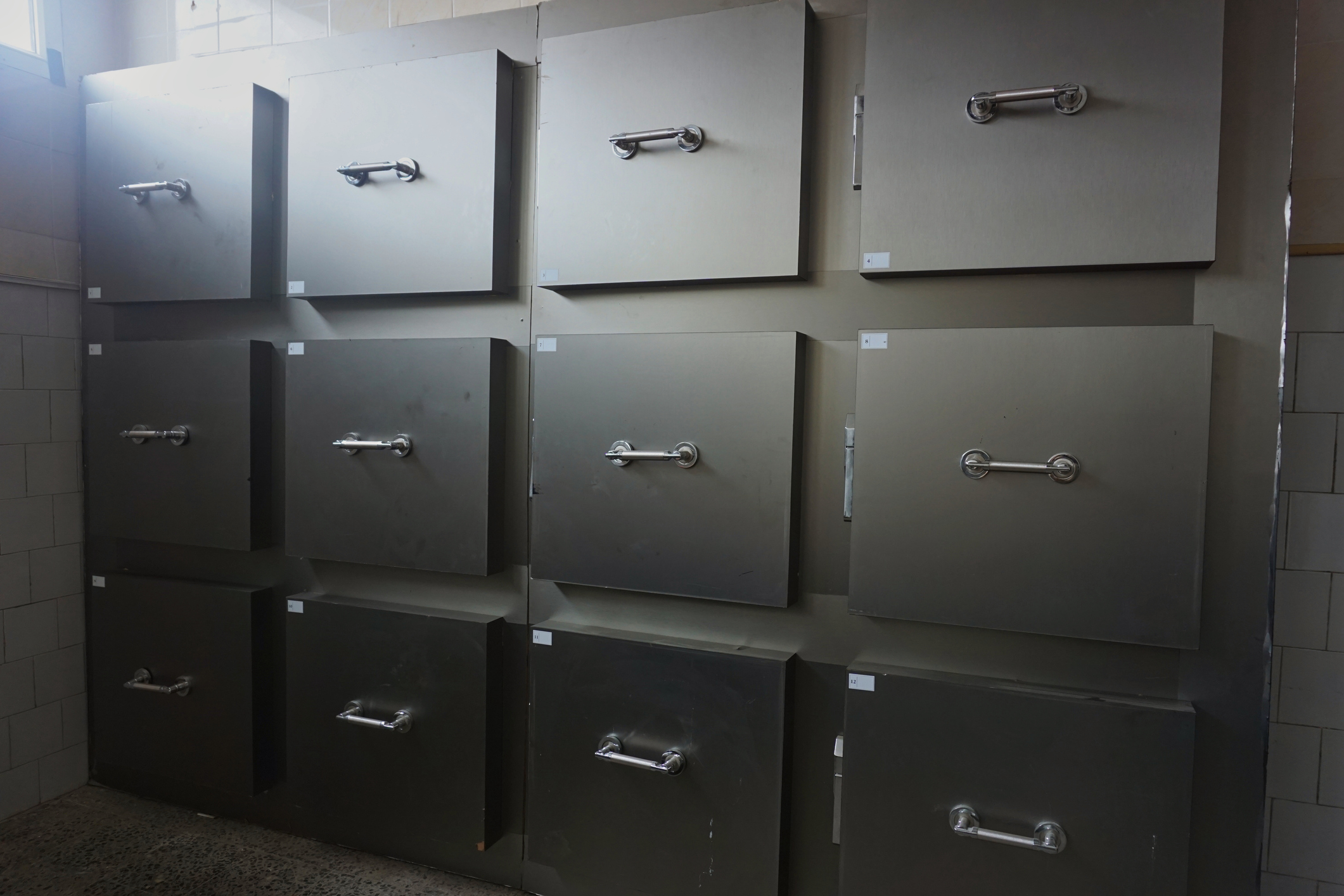
The recent conviction of former funeral director Robert Bush has sent shockwaves throughout the UK funeral profession. Sentenced to 20 years in prison after admitting 67 offences, Bush’s actions exposed serious failures in mortuary governance, accountability, and the safeguarding of those entrusted to funeral care. Investigators discovered dozens of unrefrigerated bodies, more than 100 sets of ashes, fraudulent funeral plans, and widespread deception that affected hundreds of grieving families.
For many funeral professionals, the case is more than a criminal conviction. It is a stark reminder that public trust, once lost, can take generations to rebuild.
Trust Is the Foundation of Funeral Care
Families place an extraordinary level of trust in funeral directors. Unlike many other professions, the services provided often take place behind closed doors, with families relying entirely on the integrity, professionalism, and procedures of those caring for their loved ones.
The Robert Bush case demonstrated what can happen when proper oversight, controls, and accountability are absent. The court heard how bodies were left unattended, ashes were incorrectly returned to families, and records failed to provide clarity or reassurance. The emotional impact on affected families was described by the judge as causing “anguish and pain on a scale beyond comprehension.”
The reality is that today’s funeral professionals face increasing scrutiny from regulators, trade bodies, and the public. Expectations around transparency, governance, and security have never been higher.
From Compliance to Confidence
Many funeral homes already operate to exceptionally high standards. However, the Bush conviction has highlighted an important question:
Can your organisation prove who entered your mortuary, when they entered, why they entered, and what happened whilst they were there?
In an environment where accountability is becoming increasingly important, traditional keys, locks, and paper-based records may no longer provide the level of assurance expected by families, regulators, and inspectors. This challenge echoes concerns highlighted across the profession following inquiries into mortuary governance and security.
Why Biometric Access Control Matters
Securest was founded on a simple principle:
Protect dignity, enhance accountability, and safeguard public confidence.
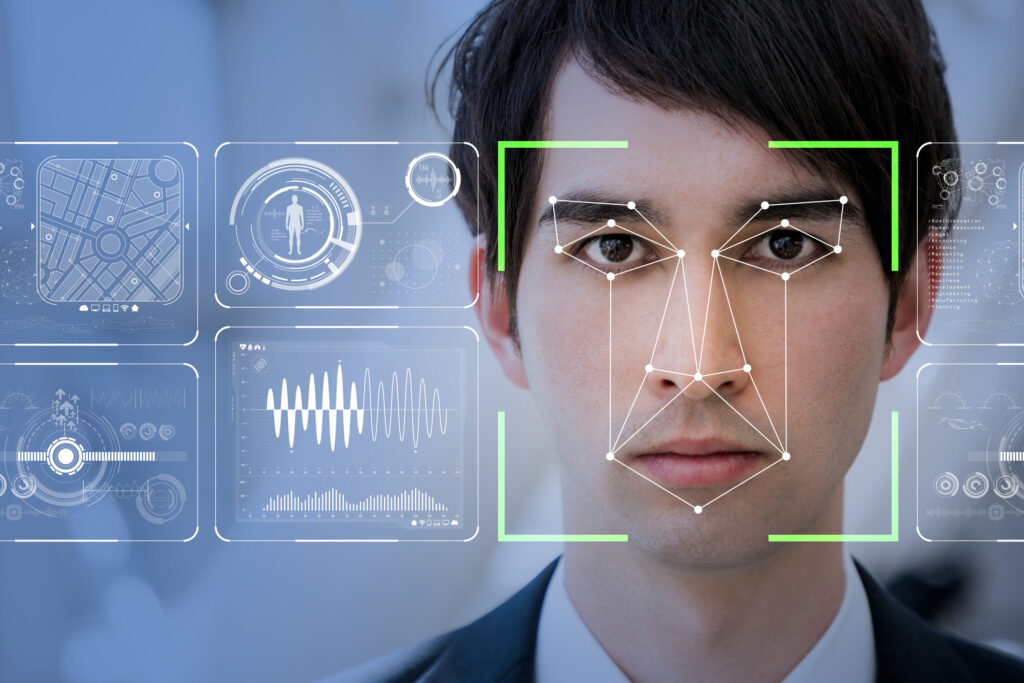
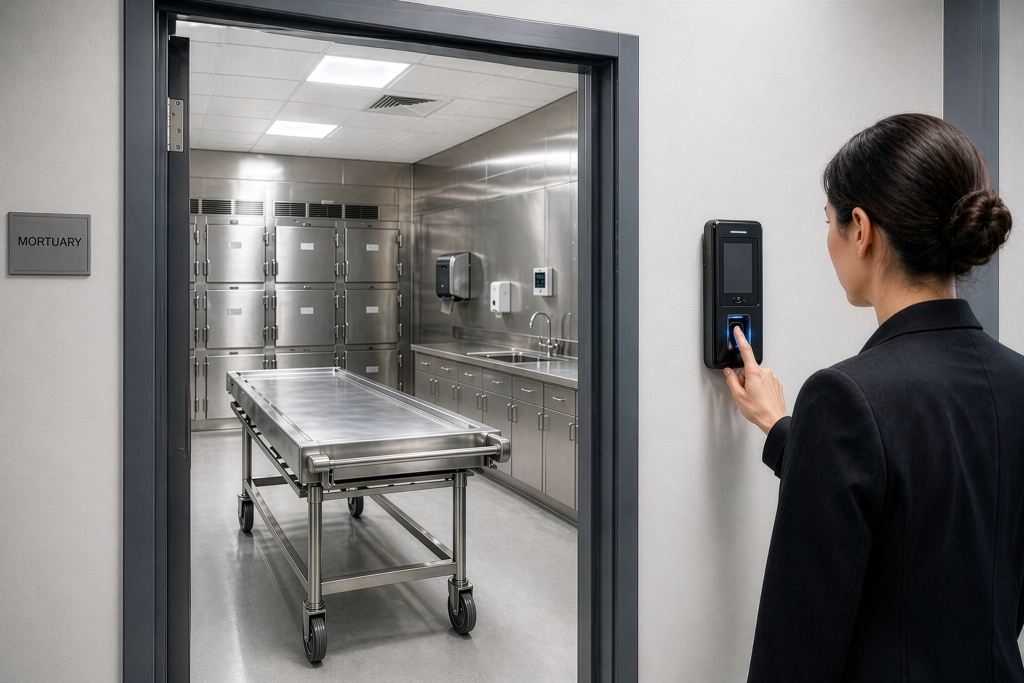
Securest’s biometric access control systems use facial recognition, fingerprint, or other biometric credentials to ensure that only authorised personnel can gain access to sensitive areas such as mortuaries, body stores, and preparation rooms. Every entry and exit is automatically recorded, creating a detailed and tamper-resistant audit trail.
This provides funeral directors with the ability to:
- Restrict access to authorised staff only.
- Record precise entry and exit times.
- Produce complete audit reports instantly.
- Integrate access records with CCTV footage.
- Demonstrate compliance and best practice.
- Provide reassurance to regulators and families.
Accountability Through Technology
Biometric security is not about replacing trust.
It’s about evidencing trust.
When combined with intelligent CCTV monitoring and audit reporting, Securest creates an environment where every interaction with sensitive areas can be documented and verified. This level of visibility helps prevent unauthorised access, supports internal governance, and ensures organisations can respond quickly to concerns if they arise.
As regulatory expectations continue to evolve, funeral businesses must be able to demonstrate that robust safeguarding measures are in place, not just claim they exist. Securest’s systems have been specifically designed to address these challenges within funeral homes, crematoria, and medical environments.